










Vilnius has proposed imposing stricter penalties for sanction breaching after evidence emerged of blacklisted Belarusian firms exporting goods via Lithuania.
The measures, proposed by the government, include confiscating illegal imports and slapping companies with fines equivalent to the value of the goods, as well as fines of up to 5 percent of annual revenue, but no less than 10,000 to 20,000 euros.
The cabinet will discuss the proposed amendments to the law on international sanctions on Wednesday. If approved, the package will be submitted to the parliament.
The draft amendments call for setting specific fines for violations.
A fine on a violator of sanctions would have to be at least 10,000 euros and could amount to 50-100 percent of the value of the goods. If a company repeatedly breaches sanctions within a year and the value of the goods exceeds 100,000 euros, it could be slapped with a fine of up to 5 percent of annual revenue, but no less than the value of the goods and not less than 20,000 euros.
If the subject matter of the violation is not goods, services or funds, a fine of between 20,000 and 50,000 euros is proposed. Goods could also be confiscated.

The government also proposes that the Criminal Code and the Code of Administrative Offences should provide for liability for violations of restrictive measures imposed in response to Russia's military aggression against Ukraine.
The restrictive measures include suspending the processing of visa or temporary residence permit applications by Russian and Belarusian citizens and restricting their entry to Lithuania.
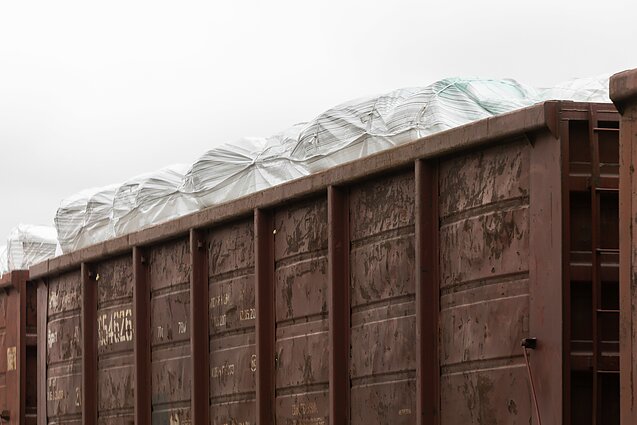
Lithuania's investigative journalism centre Siena and its partners reported earlier this year that trucks and trains with fertilisers produced by Grodno Azot, which is subject to EU sanctions, continued to cross the Lithuanian border.
According to the report, Belarusian and Lithuanian companies were involved in the scheme to circumvent sanctions.
On January 13, the Klaipėda Prosecutor's Office and the customs authorities opened a pre-trial investigation into the possible smuggling of urea fertiliser. The authorities say that the smuggling has been stopped.
Read more: How sanctioned Belarusian firm channeled exports via Lithuania – investigation

Newsletter
Every Friday morning.